

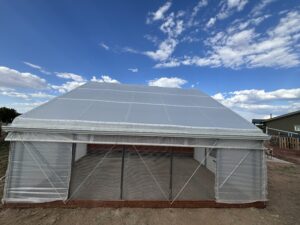
 As the world grapples with climate change, urbanization, and a growing population, innovative agricultural practices have become increasingly vital. Among these, high tunnels and greenhouses have emerged as powerful tools for growing food year-round. Understanding their history not only highlights their importance but also sheds light on their potential for sustainable agriculture.
Early Beginnings
The concept of controlled environment agriculture dates back to ancient civilizations. The Romans are often credited with the earliest form of greenhouse technology. They used a structure called the specularium, made from transparent stone or glass, to cultivate plants. This early adaptation laid the groundwork for modern greenhouses, emphasizing the benefits of maintaining a stable climate for crop growth.
The Rise of Greenhouses
The modern greenhouse as we know it began to take shape in the 17th century. In Europe, especially in the Netherlands, glasshouses were built to protect exotic plants brought back from overseas expeditions. These structures allowed for greater experimentation in horticulture, ultimately leading to the cultivation of various fruits and vegetables in controlled environments.
By the 19th century, the industrial revolution spurred advancements in greenhouse technology. With the invention of new materials like iron and glass, greenhouses became more robust and accessible. They allowed farmers to extend their growing seasons and produce crops that were otherwise unsuitable for their climates.
The Emergence of High Tunnels
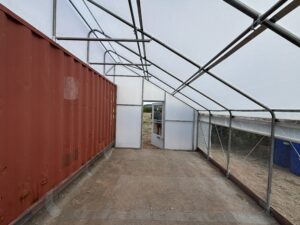
While greenhouses provided significant advantages, they also came with higher costs and maintenance requirements. Enter the high tunnel—an innovation that emerged in the latter half of the 20th century. High tunnels, also known as hoop houses, are unheated structures typically covered with plastic. They offer many benefits similar to greenhouses but are often more affordable and easier to manage.
High tunnels gained traction in the 1990s, particularly in the United States, as small-scale farmers began to adopt them for season extension and crop protection. Unlike traditional greenhouses, high tunnels utilize passive solar heating, allowing for natural ventilation and lower energy costs. This accessibility has made them a favorite among local and sustainable farmers, enabling them to produce fresh produce well into the winter months.
Modern Advancements
Today, both high tunnels and greenhouses continue to evolve. With the integration of technology, farmers can now monitor and control climate conditions more precisely. Automated systems for ventilation, irrigation, and heating have made it possible to optimize growth conditions for a variety of crops. Additionally, advancements in materials, such as energy-efficient polycarbonate panels, have improved insulation and durability.
Sustainability is also at the forefront of modern agricultural practices. Farmers are increasingly adopting organic methods and integrating high tunnels and greenhouses into their systems to reduce reliance on pesticides and fertilizers. This shift not only supports healthier crops but also aligns with consumer demand for more sustainable food sources.
Conclusion
The history of growing food in high tunnels and greenhouses reflects a journey of innovation and adaptation. From ancient Roman structures to today’s advanced, tech-savvy installations, these environments have transformed the way we cultivate food. As we face the challenges of a changing climate and increasing food demand, high tunnels and greenhouses will undoubtedly play a crucial role in sustainable agriculture for generations to come.
By understanding their history, we can better appreciate the potential of these systems to enhance food security, promote sustainable practices, and connect communities with fresh, locally grown produce. As we look to the future, investing in these technologies will be essential for resilient food systems worldwide.
For more information on how to implement high tunnels and greenhouses in your farming practices, visit
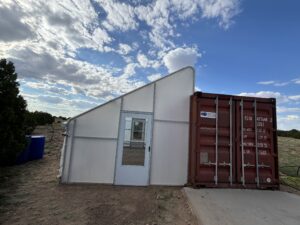
[hightunnelgreenhouses.net](http://hightunnelgreenhouses.net) and explore the resources available to help you get started!


