

 When you pick up a tomato or a head of lettuce at the grocery store, have you ever wondered, “Where do these vegetables come from?” In the United States, the journey of produce from farm to table is often a long one, involving thousands of miles, various chemicals, and significant environmental impact.
In the U.S., the average piece of produce travels around 1,500 miles before it reaches your plate. This distance varies depending on the type of vegetable and the season. For example, during winter, tomatoes and peppers might come from Mexico, while in summer, they could be sourced from California or Florida.
The long journey of produce affects more than just the freshness of your vegetables. The environmental impact is significant, with transportation contributing to greenhouse gas emissions. Additionally, the need for durability during transport means that produce is often picked before it’s fully ripe, resulting in a loss of flavor and nutritional value.
Here are a couple of locations where most produce comes from in the U.S.:
1. As the leading producer of fresh vegetables in the U.S., California supplies nearly half of all fruits, nuts, and vegetables.
2. Florida, known for citrus, also produces a significant amount of tomatoes, bell peppers, and cucumbers.
3. During off-seasons, many vegetables are imported from Mexico to meet U.S. demand.
4. Arizona’s desert climate makes it a leading producer of leafy greens during the winter months, despite not having that much water.
Commercial farms also use a variety of chemicals to ensure that the produce survives the journey from farm to table. These include:
– Pesticides, which are used to protect crops from insects, weeds, and diseases. While they help increase yield, they also leave residues on food that can be harmful if consumed in large quantities over time.
– Herbicides are applied to eliminate weeds, and can sometimes contaminate the soil and water sources, affecting ecosystems.
– Fungicides are used to prevent the growth of molds and mildew that can destroy crops. Like pesticides, they can leave residues on produce.
– Synthetic fertilizers boost plant growth but can lead to soil degradation and water pollution due to runoff into nearby rivers and lakes.
Why Growing Your Own Garden Is a Game Changer!!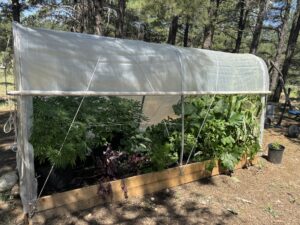
When you grow your own vegetables, you eliminate the need for long-distance transport, reducing your carbon footprint. Plus, you have complete control over what goes into your soil and onto your plants.
1. Fresher Produce: Nothing beats the taste of a tomato picked fresh from the vine. Homegrown vegetables are often more flavorful because they are harvested at peak ripeness.
2. No Harmful Chemicals: You can choose to grow your garden organically, avoiding the use of harmful pesticides and synthetic fertilizers.
3. Environmental Impact: By reducing the demand for transported produce, you help decrease greenhouse gas emissions. Additionally, gardening encourages biodiversity and helps build healthier soil.
4. Cost-Effective: Growing your own vegetables can be a cost-effective way to ensure a steady supply of fresh produce, especially if you use techniques like composting to enrich your soil.
5. Health and Wellness: Gardening is not just good for your plate; it’s good for your soul. It’s a physical activity that gets you outside, and there’s a therapeutic aspect to nurturing plants.
Understanding the journey of produce from farm to table highlights the advantages of growing your own garden. Not only does it provide you with fresher, healthier vegetables, but it also helps reduce environmental impact and can be a deeply rewarding experience.
So, where do vegetables come from? If you have the space and time, they can come from your very own backyard. Embrace the garden lifestyle, plant your seeds, and enjoy the benefits of homegrown produce.
Start your gardening journey today and experience the difference that fresh, self-grown vegetables can make in your life.


